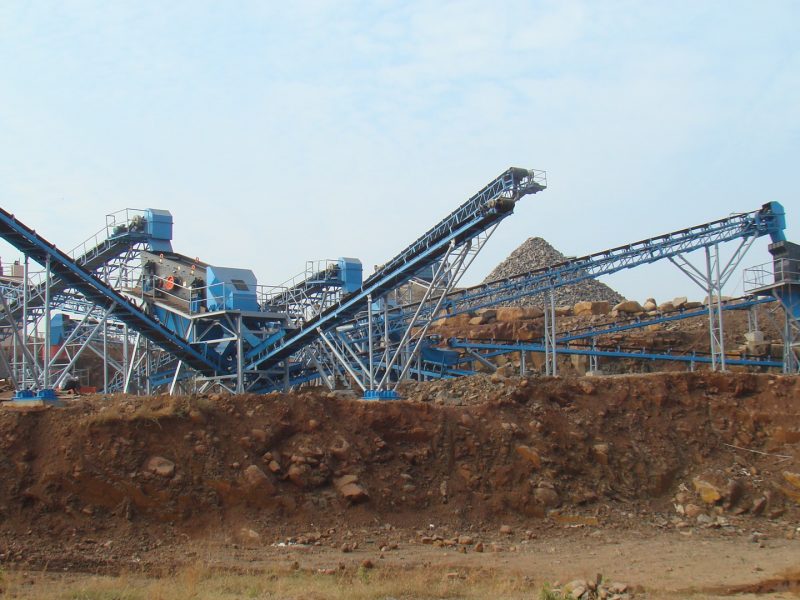
BULK MATERIAL HANDING CONVEYOR – MINING CONVEYOR
A mine conveyor, also known as a mining conveyor, is a specialized equipment used in the mining industry to transport bulk materials such as coal, ore, and minerals from one location to another within a mine site. It is a crucial component of mining operations and plays a significant role in improving efficiency and productivity.
Conveyors in mining can vary in size, capacity, and design, depending on the specific requirements of the mine and the type of material being transported. However, they generally consist of a belt that moves continuously, conveying the material along a predetermined path.
Here are some key features and components of a typical mine conveyor system:
- Belt : The conveyor belt or chain is the primary component that carries the material. It is usually made of rubber or metal and is driven by several pulleys or sprockets.
- Drive Mechanism: The drive mechanism powers the conveyor belt through the chain, providing the necessary motion to transport the material. It can be an electric motor, hydraulic system, or other power source depending on the design.
- Idlers: Idlers are support rollers or stations along the conveyor’s path. They help support the belt or chain and maintain proper tension, ensuring smooth movement and preventing sagging or misalignment.
- Pulleys and Sprockets: Pulleys and sprockets guide and redirect the conveyor belt. They are typically located at the ends of the conveyor and may include drive pulleys to transmit power.
- Loading and Unloading Points: Conveyors often have designated loading and unloading points where the material is loaded onto or discharged from the conveyor system. These points may include hoppers, chutes, or other equipment to facilitate material transfer.
- Safety Devices: Mine conveyors incorporate various safety devices to protect workers and prevent accidents. These may include emergency stop switches, conveyor guards, belt alignment detectors, and temperature and vibration monitoring systems.
- Dust Suppression Systems: Due to the nature of mining operations, dust can be generated during material transport. Conveyor systems may include dust suppression systems to minimize the release of airborne particles, ensuring a safer and healthier working environment.
Mine conveyors offer several advantages in mining operations. They enhance efficiency by automating material transportation, reducing labour & transportation requirements, and enabling continuous operation, resulting in higher productivity. Additionally, they can transport materials over long distances, across different terrains, and even navigate around obstacles, making them versatile and adaptable for various mining scenarios.
It’s important to note that mining operations can have different types of conveyors based on specific needs. The selection of the conveyor type depends on factors such as the material properties, required capacity, distance of transportation, and environmental considerations

you are in reality a good webmaster. The website loading velocity is amazing. It sort of feels that you’re doing any distinctive trick. Also, The contents are masterwork. you have done a fantastic job in this topic!